















Spider Robot 3D Printed Kit — Step-by-Step Assembly Guide for Students
Building a Spider Robot 3D Printed Kit is one of the most exciting robotics projects for students. It helps in understanding mechanical movement, servo control, and basic programming in a fun and practical way.
If you are searching for spider robot 3D parts buy India, this guide will help you not only choose the right components but also assemble the robot step-by-step.
What is a Spider Robot?
A spider robot is a quadruped or multi-leg robot that mimics the walking motion of a spider. It typically uses servo motors to control each leg and can be programmed using Arduino or similar controllers.
Why Students Should Build This Project
-
Hands-on STEM learning
-
Improves problem-solving skills
-
Understanding of robotics and automation
-
Ideal for school science exhibitions
-
Beginner-friendly mechanical + electronics project
Components Required for Spider Robot Kit
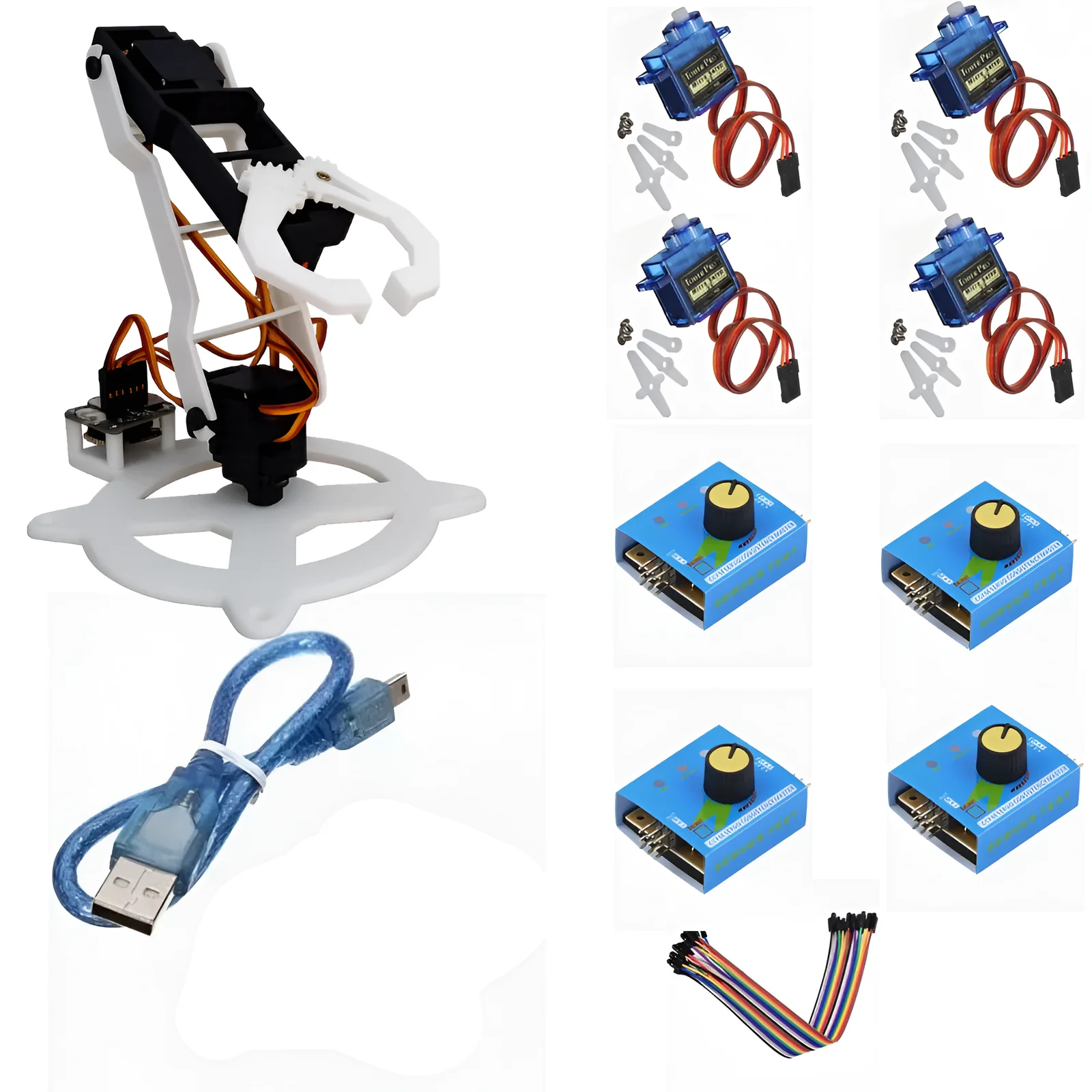
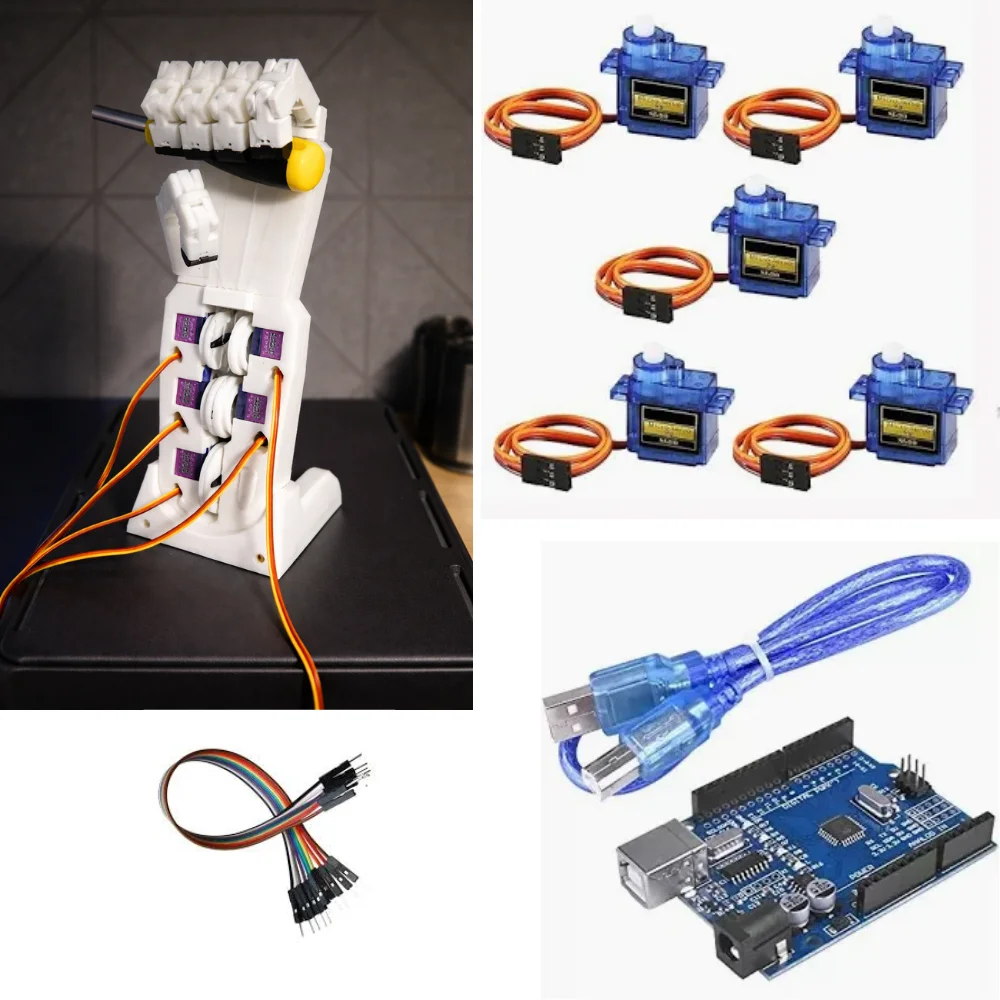
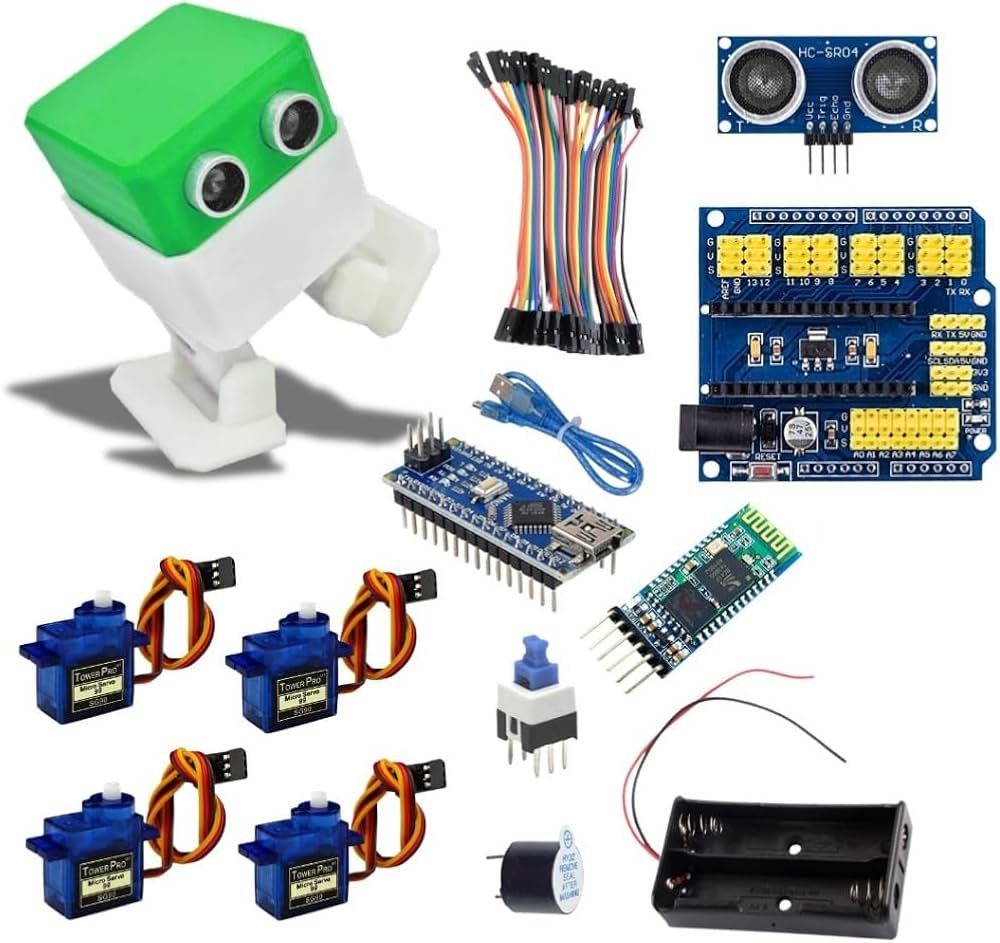
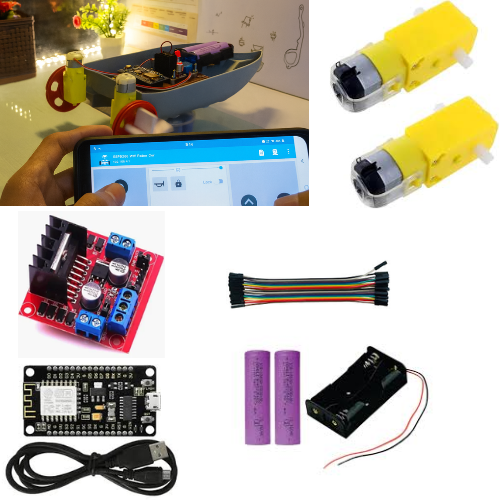
To build a spider robot, you will need the following parts:
-
3D Printed Spider Robot Body Parts
-
Servo Motors (SG90 / MG90S)
-
Arduino UNO / Nano
-
Servo Driver (PCA9685 recommended)
-
Jumper Wires
-
Battery Pack (18650 / Li-ion)
-
Screws and Nuts (M3 / 4mm bolts)
-
On/Off Switch
3D Printed Parts Overview
The 3D printed kit includes:
-
Main body frame
-
Leg segments (multiple pieces)
-
Servo mounting brackets
-
Top cover
These parts are designed to ensure perfect alignment and smooth leg movement.
Step 1: Prepare the 3D Printed Parts
-
Clean all printed parts
-
Remove extra supports
-
Check fitting of joints
-
Ensure holes are clear for screws
Step 2: Attach Servo Motors
-
Fix servo motors into designated slots
-
Use screws to secure tightly
-
Make sure servo horns are aligned properly
Step 3: Assemble the Legs
-
Connect leg segments using screws
-
Attach legs to servo horns
-
Ensure free movement without friction
Step 4: Build the Main Body
-
Mount all legs onto the body frame
-
Attach top cover after wiring
-
Ensure structure is stable
Step 5: Wiring Connections
-
Connect all servos to servo driver
-
Connect driver to Arduino
-
Attach battery supply
-
Double-check polarity
Step 6: Upload Code
-
Install Arduino IDE
-
Upload spider robot walking code
-
Test each servo movement
Step 7: Testing and Calibration
-
Adjust servo angles
-
Ensure balanced walking
-
Fix loose connections if any
Common Mistakes to Avoid
-
Incorrect servo alignment
-
Loose screws causing wobbling
-
Wrong wiring connections
-
Over-tightening plastic parts
Applications of Spider Robot
-
School science projects
-
Robotics competitions
-
STEM education kits
-
Engineering mini projects
Where to Buy Spider Robot 3D Parts in India
You can buy ready-to-assemble kits or individual components from reliable online stores. Look for:
-
Pre-tested kits
-
Strong PLA+ material
-
Complete hardware included
-
Student-friendly pricing
Conclusion
The Spider Robot 3D Printed Kit is a perfect project for students who want to explore robotics in a practical way. It combines mechanical design, electronics, and coding, making it an ideal STEM learning tool.
If you are planning to start, make sure to choose a complete kit with high-quality 3D parts available in India for the best experience.