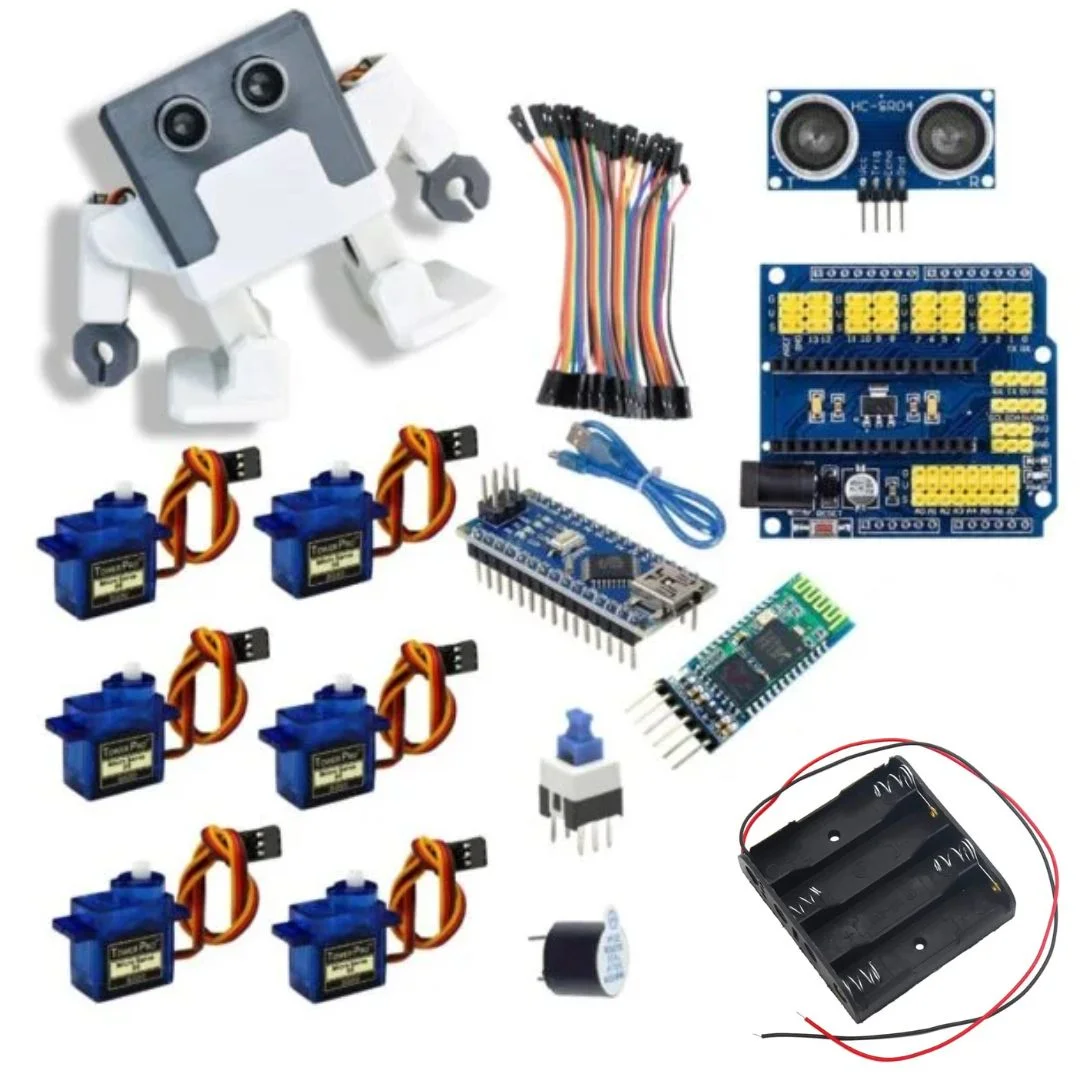
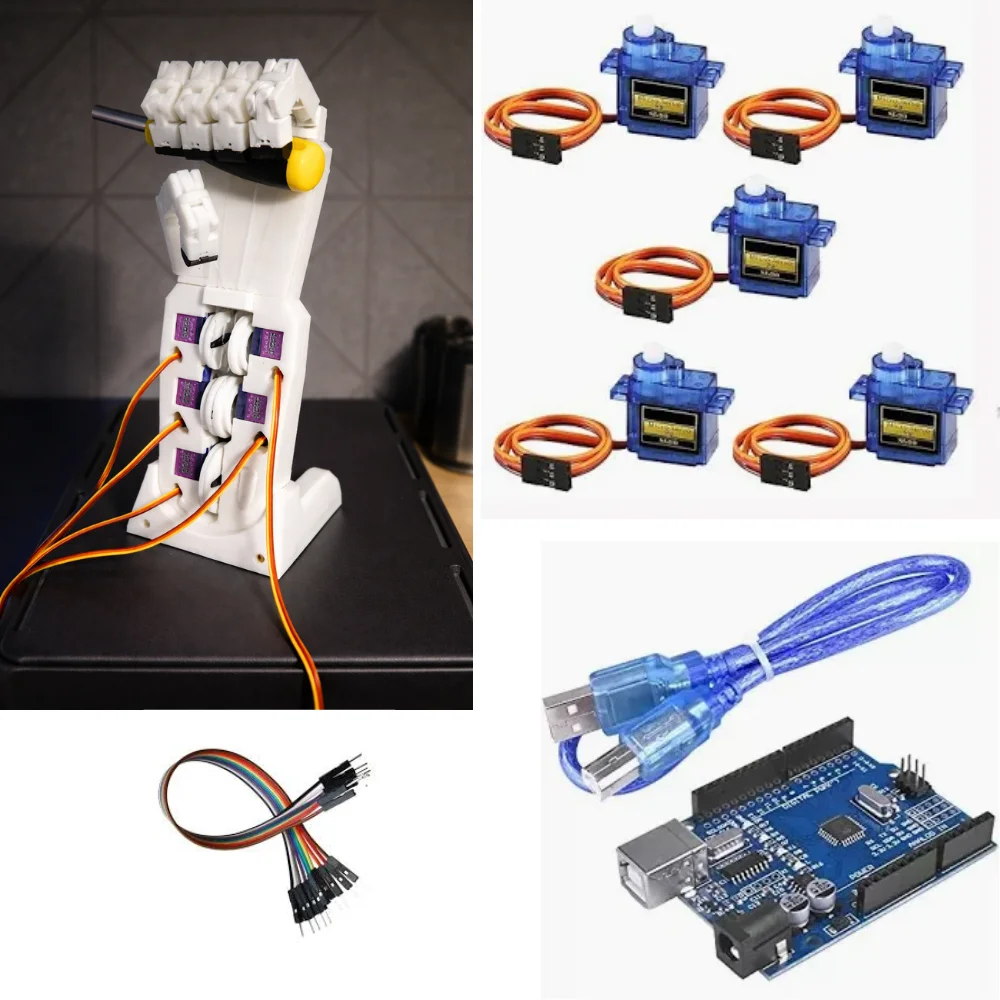
Robotics projects are becoming an essential part of school education in India. Whether you are building a line follower robot, obstacle avoidance robot, or humanoid model, getting the right parts is crucial. Today, students can easily order custom 3D printed robot parts in India without expensive tools or machines.
This guide will help you understand the complete process—from idea to final product.
Why Choose Custom 3D Printed Parts for Robotics?
Custom 3D printing gives students flexibility and creativity that ready-made kits cannot provide.
Benefits include:
Perfect fit for your robot design
Lightweight and strong structures
Easy modifications and redesign
Cost-effective for school projects
Ideal for prototypes and experiments
Step 1: Finalize Your Robot Design
Before ordering, you need a clear idea of what you want to build.
You can:
Draw your design on paper
Use free software like Tinkercad or Fusion 360
Download ready designs from platforms like Thingiverse
Make sure your design includes:
Motor mounts
Wheel supports
Sensor holders
Battery casing
Step 2: Convert Design into 3D File
3D printing requires a file format such as:
Most 3D design software allows you to export in STL format. This file is used by 3D printers to create your part layer by layer.
Step 3: Choose the Right Material
Material selection is important for durability and performance.
Common materials:
PLA: Best for school projects (easy and affordable)
ABS: Stronger but slightly complex
PETG: Good balance of strength and flexibility
For most students, PLA is the best option.
Step 4: Find a Reliable 3D Printing Service in India
You can order parts from:
Local 3D printing services in your city (like Nashik, Pune, Mumbai)
Online platforms offering custom printing
While selecting a service, check:
Print quality
Material options
Delivery time
Pricing
Local services are often faster and more affordable.
Step 5: Upload File and Customize Settings
Once you choose a service, you need to:
For robotics parts:
Step 6: Check Pricing and Order
The cost depends on:
Size of the part
Material used
Print time
Typical student project parts are very affordable in India.
Always confirm:
Total cost
Delivery charges
Timeline
Step 7: Testing and Assembly
After receiving your parts:
If something doesn’t fit, you can easily redesign and reprint.
Common Mistakes to Avoid
Avoiding these mistakes saves both time and money.
Tips for Students to Save Cost
Combine multiple parts in one print
Use PLA material
Optimize design to reduce material
Order from local providers
Why 3D Printing is Perfect for School Projects in India
India is rapidly adopting STEM education, and 3D printing is becoming a key part of learning.
Advantages:
Encourages innovation
Helps in practical learning
Supports Atal Tinkering Labs
Useful for science exhibitions
Students can now create professional-level projects easily.
Conclusion
Ordering custom 3D printed robot parts in India is simple, affordable, and highly beneficial for students. With the right design and service, you can bring your robotics ideas to life without needing expensive tools.
Start small, experiment, and improve your designs—this is the future of learning and innovation.