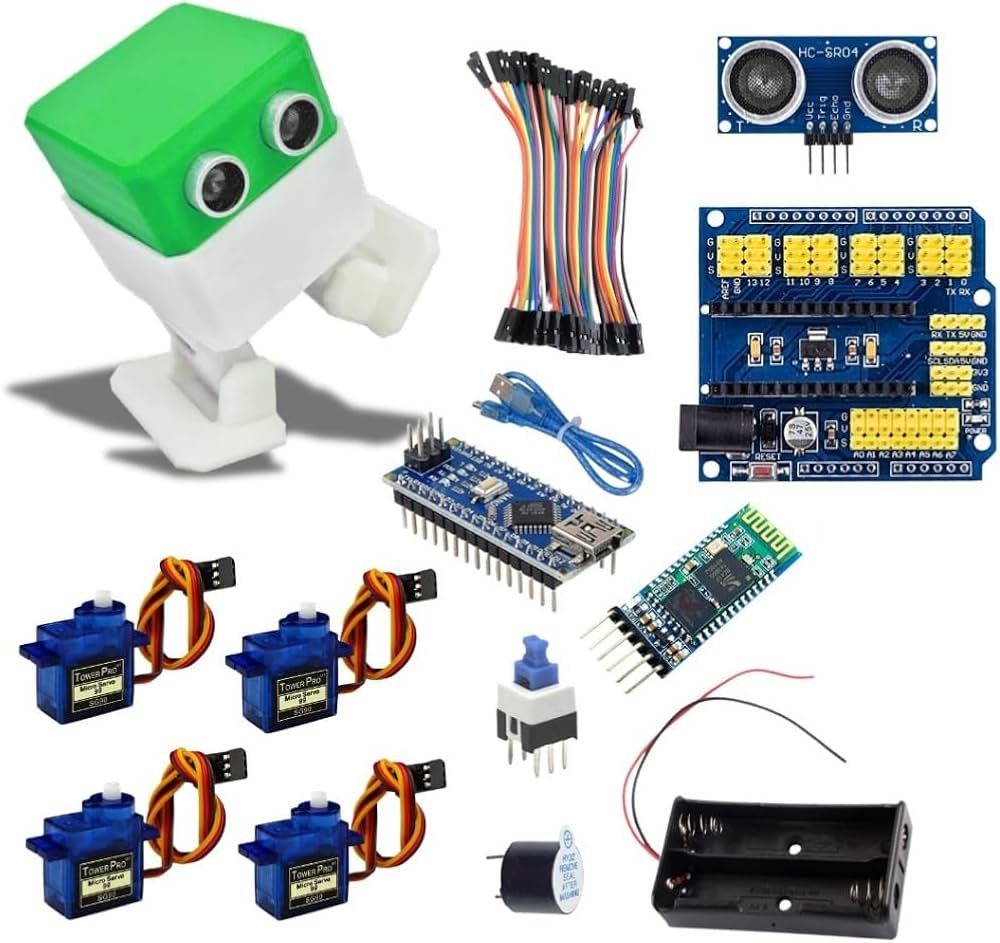
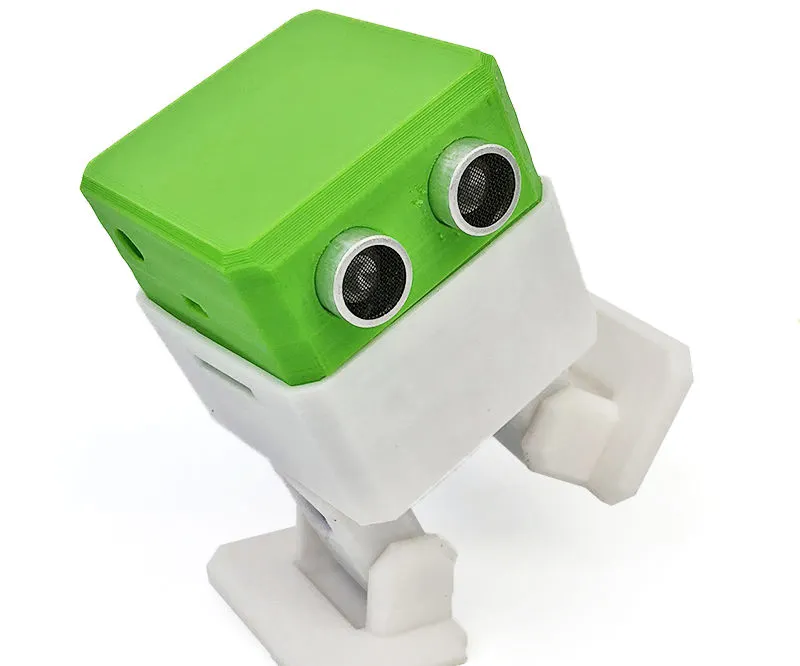
If you’re looking for a fun, educational, and beginner-friendly robotics project, building an Otto robot at home is one of the best options. The Otto robot is a small bipedal robot that can walk, dance, and avoid obstacles — making it perfect for students, hobbyists, and STEM learning.
In this guide, we will explain everything about Otto robot 3D parts India, including required components, 3D printing files, and step-by-step assembly.
🔷 What is an Otto Robot?
Otto is an open-source robot designed for learning robotics using Arduino. It is widely used in schools and DIY projects because of its simple design and interactive features.
🔹 Key Features:
Walks and dances like a humanoid
Obstacle avoidance capability
Programmable using Arduino
Fully 3D printable body
Ideal for STEM education
🔷 Required Components for Otto Robot
To build your Otto robot, you will need the following components:
🔹 Electronics:
🔹 3D Printed Parts:
Otto legs (left & right)
Body shell
Head case
Foot base
Servo holders
👉 If you don’t have a 3D printer, you can order Otto robot 3D parts in India from local suppliers like SmartXProKits (Nashik).
🔷 3D Printed Parts Details
The Otto robot body is fully made using PLA or PLA+ material. These parts are lightweight, durable, and easy to assemble.
🔹 Recommended Printing Settings:
💡 Tip: Use high-quality PLA for better durability and finish.
🔷 Where to Get Otto Robot 3D Parts in India
If you don’t have access to a 3D printer, you can:
👉 SmartXProKits offers:
🔷 Step-by-Step Assembly Guide
🔹 Step 1: Print All Parts
Download STL files and print all Otto robot parts.
🔹 Step 2: Install Servo Motors
Fix 4 servo motors inside legs and body carefully.
🔹 Step 3: Assemble Body
Attach legs, body, and head using screws.
🔹 Step 4: Wiring
Connect:
Servos to Arduino
Ultrasonic sensor
Buzzer
🔹 Step 5: Upload Code
Use Arduino IDE to upload Otto robot code.
🔹 Step 6: Testing
Power ON and test walking & obstacle detection.
🔷 Programming the Otto Robot
You can program Otto using Arduino IDE. Many pre-built codes are available for:
Walking motion
Dancing
Obstacle avoidance
👉 Beginners can use ready libraries to make setup easier.
🔷 Applications of Otto Robot
🔷 Why Otto Robot is Perfect for Students
🔷 Tips for Better Performance
Use calibrated servo motors
Ensure proper balance while assembling
Avoid loose wiring
Use fully charged batteries
🔷 Conclusion
Building an Otto robot at home is a great way to learn robotics, coding, and 3D printing. With easily available Otto robot 3D parts in India, students and hobbyists can create their own walking robot without difficulty.
If you want a hassle-free experience, you can choose a ready-to-assemble kit from SmartXProKits and start your robotics journey today.
🔷 Call to Action
👉 Looking for Otto Robot Kit or 3D Printed Parts in India?
Visit SmartXProKits.in and explore affordable DIY robotics kits specially designed for students.