In the world of electronics, a common challenge with low-voltage smart thermostats is ensuring a stable power supply. Many smart thermostats require a continuous 24V power source to function correctly, but certain systems may not provide enough power, causing instability or failure. If you’re working with these thermostats, this issue could be a hurdle in your prototyping process.
The Problem :
Low voltage smart thermostats typically run on 24V, but older heating and cooling systems may not supply consistent power. When the power supply fluctuates, the thermostat might not operate properly, causing connectivity issues or a complete shutdown.
Practical Example :
Imagine you’ve installed a smart thermostat in your home automation project. After some time, it stops working or is unresponsive. The root cause is likely a weak or unstable power supply.
The Solution :
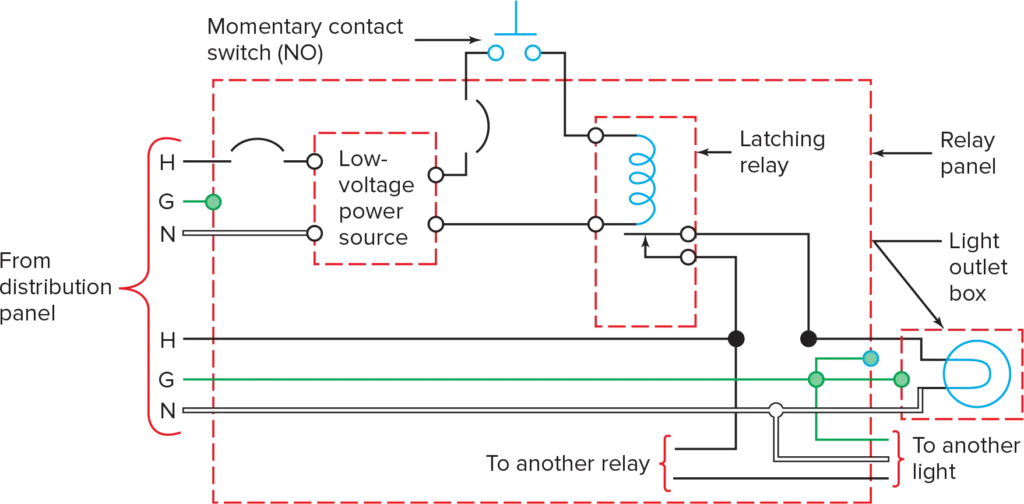
To fix this, you can use a 24V power relay or a power adapter that provides a constant power supply to your thermostat, ensuring smooth operation. A simple solution could be adding a power supply buffer like a capacitor to stabilize the incoming voltage.
Sample Calculation :
For example, if your thermostat draws 0.2A of current, and you’re using a 24V supply, the power required will be:
Power (W) = Voltage (V) × Current (A)
Power = 24V × 0.2A = 4.8W
Ensuring a supply that delivers at least 5W will guarantee optimal performance for your thermostat.
Product Suggestion :
For reliable power solutions, look into MOSFETs or power relays that can handle low voltage and provide steady output for your projects. Check out our range of Made in India components:
Shop now at SmartXProKits.in. Support our work and India’s innovation—buy from our Make in India site!