3D printing has revolutionized the way robotics projects are designed and built, especially for students in India. Earlier, creating robot parts required machining, costly materials, or ready-made kits. Today, with affordable 3D printers, students can design and print their own custom robotic components at home or in labs.
The rise of 3D printing robotics India students ecosystem is empowering learners to move from theory to real-world application quickly and cost-effectively.
What is 3D Printing in Robotics?
3D printing in robotics refers to the process of designing robot components digitally and manufacturing them layer-by-layer using materials like PLA, ABS, or PETG.
These components include:
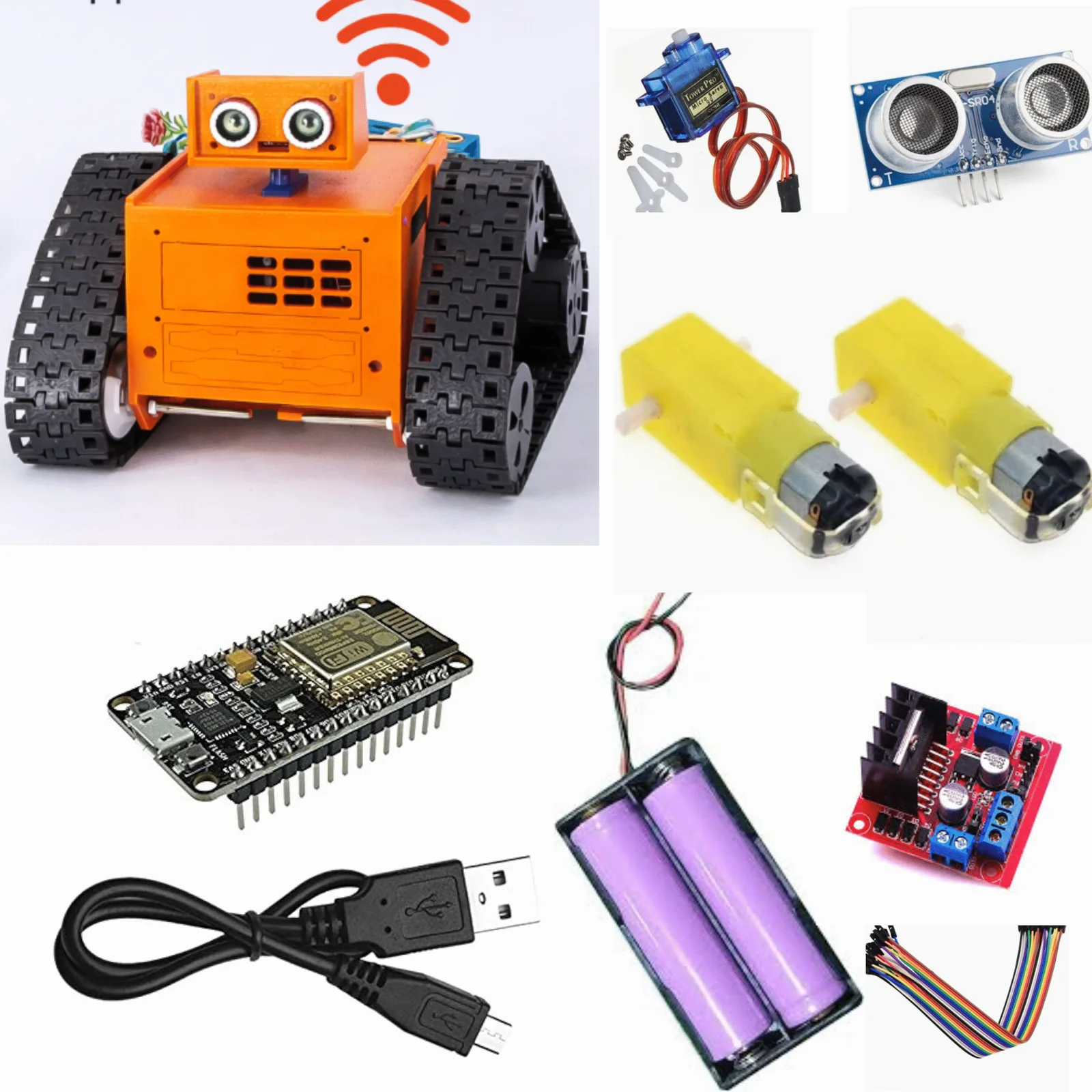
Robot chassis
Motor mounts
Sensor holders
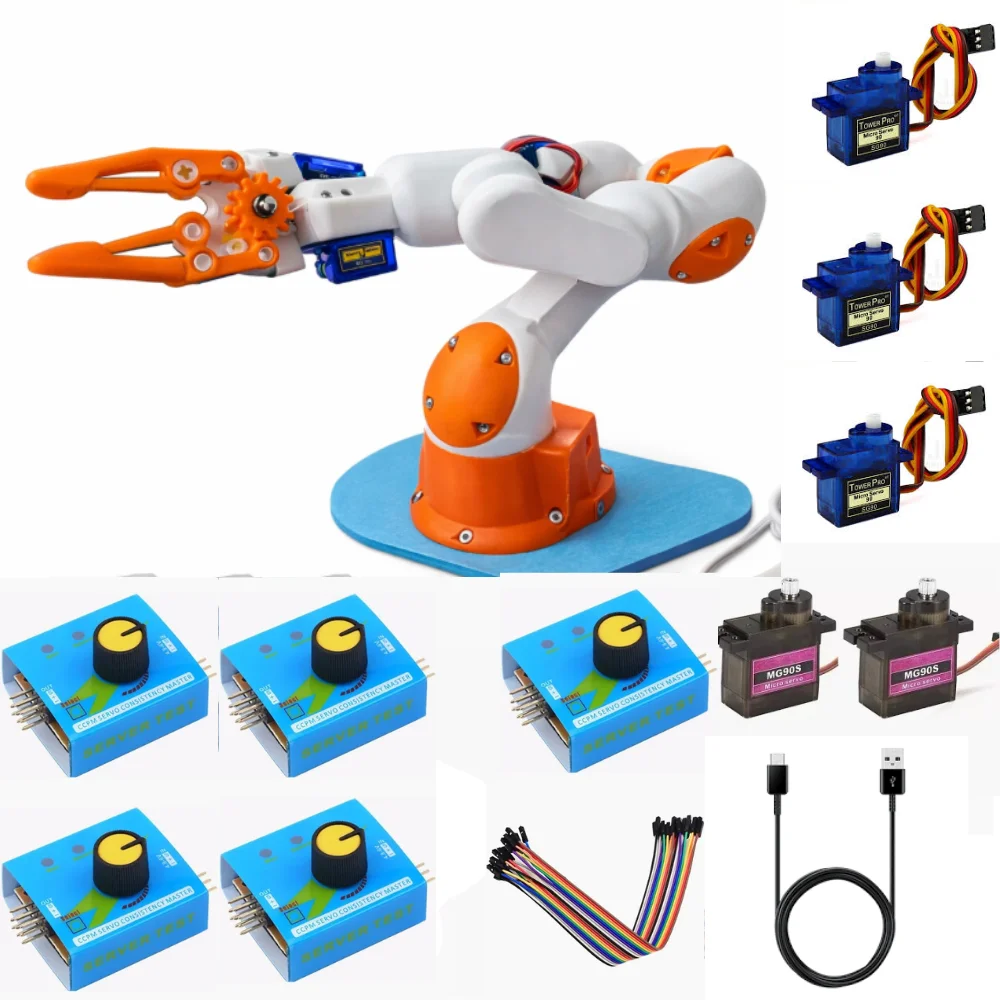
Gear systems
Robotic arms
This flexibility allows students to customize every part of their robot as per project requirements.
Why 3D Printing is a Game-Changer for Students in India
For Indian students, cost and accessibility have always been major challenges in robotics. 3D printing solves both problems effectively.
Key advantages include:
Low-cost prototyping
Easy design modifications
Faster project completion
Reduced dependency on ready kits
Hands-on learning experience
Students can now build multiple iterations of a robot without spending heavily on materials.
Applications of 3D Printing in DIY Robotics Projects
3D printing is widely used across different types of student robotics projects:
This makes 3D printing robotics India students projects more practical and innovative.
How 3D Printing Enhances STEM Learning
STEM education becomes more engaging when students can physically build what they learn.
With 3D printing:
Students understand design thinking
Learn CAD modeling skills
Improve problem-solving abilities
Gain real-world engineering exposure
It bridges the gap between theoretical knowledge and practical implementation.
Role of 3D Printing in School and College Projects
3D printing is now widely used in:
Teachers and institutions are encouraging students to use 3D printed parts to make projects more presentable and innovative.
Customization and Rapid Prototyping
One of the biggest advantages is customization. Students can:
This rapid prototyping approach is essential in robotics development and innovation.
Future of 3D Printing in Robotics in India
India is seeing rapid growth in:
Maker labs in schools
STEM education startups
DIY robotics kits
Affordable 3D printers
In the coming years, 3D printing robotics India students will become a standard part of education, just like computers and electronics labs.
Challenges Students May Face
While 3D printing is powerful, students may face:
Initial cost of 3D printers
Learning curve for CAD software
Print failures and calibration issues
However, with proper guidance and practice, these challenges can be easily overcome.
Best Materials for 3D Printed Robotics Parts
Common materials used:
For most student projects, PLA is the best starting point.
Conclusion
3D printing is not just a tool — it is a complete transformation in how robotics is learned and practiced in India. It empowers students to innovate, experiment, and build real-world solutions.
For anyone interested in robotics, adopting 3D printing is no longer optional — it is the future.
The growth of 3D printing robotics India students clearly shows that the next generation of engineers will be creators, not just learners.